Can You Use Xero in the UAE? A Practical 2026 Guide
Can You Use Xero in the UAE?
Yes. UAE businesses can use Xero for day-to-day accounting, invoicing, bills, bank reconciliation, reporting and multi-currency work. Xero is also currently listed by the UAE Federal Tax Authority (FTA) as accredited tax accounting software. The important nuance is that Xero is not yet a complete, native UAE compliance stack: its dedicated UAE VAT and eInvoicing tools are still being rolled out, local bank-feed coverage is not universal, and UAE payroll generally relies on connected third-party apps.
For many startups, service businesses and SMEs, that is still a perfectly workable setup. Xero can act as the accounting ledger, while the business uses the right configuration and specialist tools around it for UAE-specific needs. If you want the broader product-by-product picture, Maaliya's Xero in the UAE: Everything You Need to Know goes deeper into the platform's UAE fit.
- Xero can be used by UAE businesses and is currently listed by the FTA as accredited tax accounting software, with Xero version 2026 shown as valid until March 2027.
- Core accounting features such as invoicing, bills, reconciliation, reporting and cloud collaboration are available for UAE businesses.
- Xero says its dedicated UAE VAT workflow and UAE eInvoicing functionality are still coming soon, so businesses should not assume those local compliance processes are fully native today.
- Xero names Wio Bank and Alaan among local bank-feed connections, but support should be checked for the exact business bank account and account type.
- For UAE payroll, Xero's own UAE guidance points businesses to integrated third-party payroll apps rather than a native UAE payroll and WPS product.
What Can a UAE Business Actually Do in Xero?
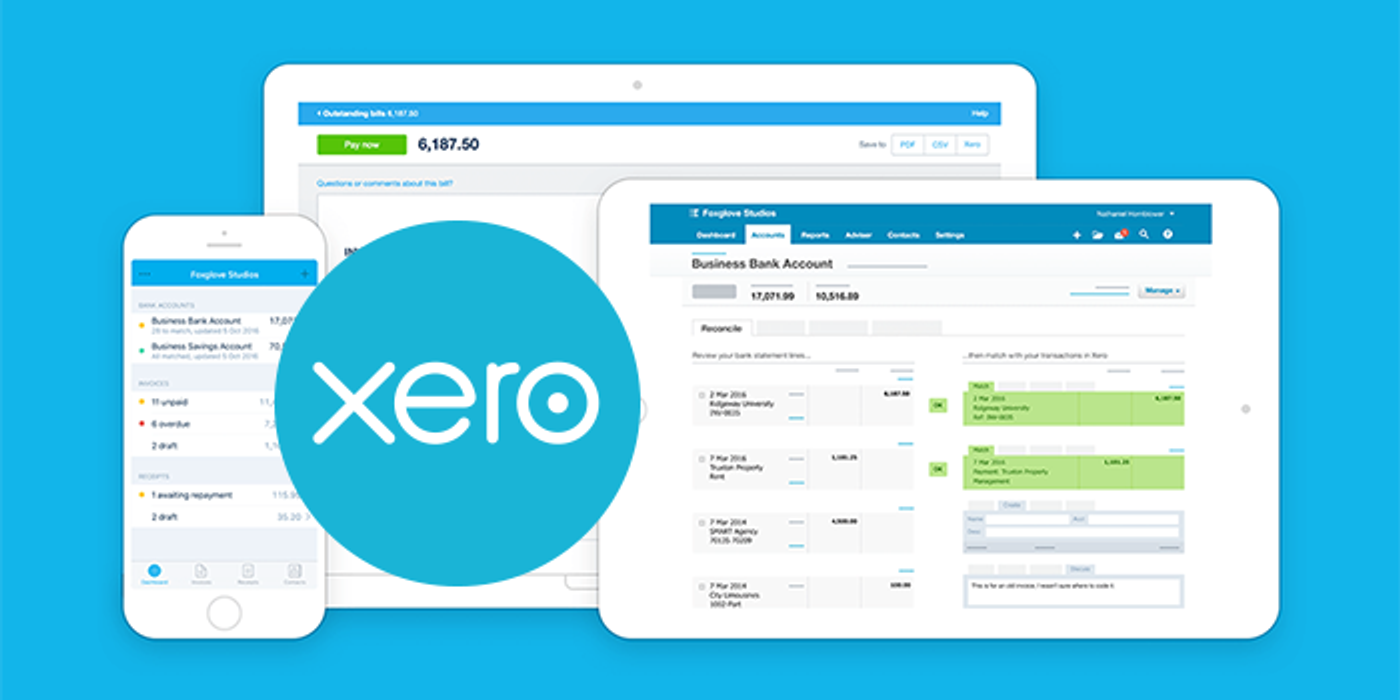
Xero's core strength is cloud accounting. A UAE business can use it to issue sales invoices, record supplier bills, reconcile bank transactions, manage receivables and payables, track cash flow, and produce financial reports. That makes it useful for businesses that want one shared ledger that founders, finance staff and external accountants can access.
Xero also supports multi-currency accounting on the relevant plan. That matters for UAE companies that invoice overseas customers, pay foreign suppliers or hold bank balances in currencies other than AED. Xero's UAE site says its multi-currency tools can handle foreign-currency transactions, exchange-rate tracking and reporting.
The main thing to understand is that “usable in the UAE” is not the same as “every UAE-specific workflow is built in.” Xero is the ledger. Some local tax, payroll, banking and eInvoicing workflows need additional configuration or connected services.
Keep Xero as your ledger and let Maaliya handle the UAE-specific VAT, invoicing and reconciliation work around it.
Book a free consultation today!Is Xero FTA-Approved in the UAE?
Xero is currently listed on the FTA's Tax Accounting Software Vendor register. The FTA page lists Xero, version 2026, with validity until March 2027. That is a strong sign that Xero is a recognised accounting platform for UAE tax records.
But FTA accreditation does not make every bookkeeping decision automatically compliant. The software records the tax treatment selected by the user. A UAE business still needs to apply the correct VAT treatment, keep the right supporting records and review unusual transactions. Software accreditation does not transfer responsibility for the underlying tax position away from the business.
How Does UAE VAT Work with Xero?
Xero can record tax at transaction level, but its fully localised UAE VAT workflow is still being developed. Xero's UAE page currently says its dedicated UAE VAT solution is coming soon and describes future guided VAT workflows, FTA-ready return mapping and an FTA audit file.
That means a VAT-registered UAE business can still keep its books in Xero today, but the VAT setup needs care. A finance team should distinguish between standard-rated, zero-rated, exempt, out-of-scope and reverse-charge transactions rather than treating every non-5% transaction as the same thing. A zero-rated supply and an exempt supply can both result in AED 0 output VAT, but they are not the same VAT treatment and can have different consequences elsewhere in the return.
If you are configuring a Xero organisation for UAE VAT, Maaliya's Setting Up Xero for UAE VAT: Step-by-Step Guide covers the setup process in more detail. Once the ledger is running, a VAT health check is useful for spotting obvious coding or setup issues before they flow into a VAT return.
Does Xero Connect to UAE Banks?
Yes, but coverage is not universal. Xero's UAE site specifically names Wio Bank and Alaan as local connections and says additional bank feeds are available. The practical test is whether your exact business account can connect, because availability can vary by institution, account type and feed provider.
If a usable feed is not available, Xero can still be used with imported bank-statement data. The accounting system remains workable, but the process becomes less automatic and the finance team needs a reliable import-and-reconciliation routine. Test the real business bank account during the trial rather than assuming that “UAE bank feeds” means every bank and every account is supported.
If your bank isn't fully supported in Xero, convert statements into clean, structured transaction data instead of reconciling manually.
Parse your bank statements now!What About AED and Foreign Currencies?
For most UAE entities, AED will be the natural base currency for the accounting organisation. The base-currency choice deserves attention at setup because Xero states that once an organisation has been created, its base currency cannot simply be changed; a new organisation is required if the original base currency was wrong. Businesses that trade internationally can then use Xero's multi-currency features on an eligible plan to record foreign-currency invoices, bills and balances.
Does Xero Include UAE Payroll and WPS?
Not as a native UAE payroll-and-WPS package. Xero's UAE payroll page tells businesses to connect specialist third-party payroll apps, with payroll data then feeding into Xero for accounting and reporting.
That distinction matters because UAE payroll can involve salary calculations, employee records, leave, end-of-service benefits and Wages Protection System processes. Xero can still hold payroll journals, payments and expense data in the ledger, but the operational payroll workflow may need a separate HR or payroll system. If a business wants one application that natively handles accounting, UAE payroll and WPS end to end, Xero alone may not be the cleanest fit.
Is Xero Ready for UAE eInvoicing?
Not as a complete standalone UAE eInvoicing solution yet. Xero says it is working toward the UAE Accredited Service Provider requirements and that its UAE eInvoicing features are coming soon.
That matters because the UAE Ministry of Finance defines an eInvoice as structured invoice data that is issued and exchanged electronically and reported electronically to the FTA. A PDF, Word document, image, scanned copy or ordinary email is not, by itself, an eInvoice under that framework.
For businesses with annual revenue above AED 50 million, the Ministry of Finance extended the deadline to appoint an Accredited Service Provider to 30 October 2026, while the mandatory implementation date remains 1 January 2027. Businesses below AED 50 million are scheduled to appoint an ASP by 31 March 2027 and implement from 1 July 2027, subject to the applicable scope rules.
The Ministry also publishes a periodically updated list of pre-approved eInvoicing service providers. Xero does not currently appear on that published list, so a business facing a mandatory eInvoicing deadline should verify the current provider position rather than assuming its accounting subscription alone satisfies the ASP requirement.
Which UAE Businesses Are a Good Fit for Xero?
- Professional-service firms, consultancies, agencies and technology companies with straightforward inventory needs.
- Startups and founder-led SMEs that want clean bookkeeping, invoicing, reconciliation and reporting without implementing a full ERP.
- International businesses that need multi-currency accounting and collaboration with remote finance teams or external accountants.
- Companies that are comfortable using specialist apps for payroll, expenses, document capture or other local workflows.
For a more detailed fit assessment, see Maaliya's Is Xero Suitable for UAE Businesses? An Honest 2026 Guide.
A Practical UAE Setup Checklist
If you do those things well, Xero can be a strong accounting foundation for a UAE SME. The biggest failures usually come from assuming the software will automatically localise every compliance process without deliberate setup.
Frequently Asked Questions
Yes. A Dubai mainland or free-zone business can use Xero as its accounting system. The business still needs to configure its bookkeeping and UAE compliance workflows correctly.
Xero is FTA-listed as accredited tax accounting software. Its current listing shows version 2026 and validity until March 2027.
As of August 2026, Xero says its dedicated UAE VAT solution is still being rolled out. Planned features include FTA-ready VAT return mapping, guided workflows and FTA Audit File generation. Businesses should therefore check Xero's current feature availability rather than assuming native UAE VAT filing is already available.
Bank-feed availability varies by bank and account type. Xero specifically advertises direct UAE feeds from Wio and Alaan and may provide other feeds through an integrated provider. Search for the exact bank and account inside Xero before subscribing.
Where no reliable feed exists, use the Maaliya Bank Statement Parser to convert statements into structured transaction data.
Not natively as a complete UAE payroll system. Xero recommends integrating a specialist payroll application.
Not yet. Xero says it is working towards the ASP requirements and plans to launch UAE eInvoicing functionality. Businesses should monitor both Xero’s product status and the official MoF timetable.
If you already use Xero, run Maaliya's VAT Health Checker to sanity-check your VAT setup and flag areas worth reviewing before filing.
Check VAT Health NowRelated Maaliya Content

Xero in the UAE: Everything You Need to Know
Xero is now FTA-listed in the UAE, but important gaps remain around native VAT returns, payroll and eInvoicing. This guide explains what Xero can do, what it cannot yet do and how Maaliya adds UAE VAT automation through its live Xero integration.
Is Xero Suitable for UAE Businesses? An Honest 2026 Guide
Xero can be a strong accounting platform for many UAE SMEs, especially service businesses and internationally focused companies. This guide explains where Xero fits well, its current UAE VAT, payroll, bank-feed and eInvoicing limitations, and what to check before choosing it.
Setting Up Xero for UAE VAT: Step-by-Step Guide
Setting up Xero for UAE VAT takes more than adding a 5% tax rate. This guide walks through TRN setup, VAT codes, invoice configuration, VAT accounts, opening balances and testing your setup.
Best AI Bookkeeping Software for UAE Businesses (2026)
Looking for the best AI bookkeeping software in the UAE? Compare the top platforms for invoice processing, receipt scanning, bookkeeping automation, VAT workflows, and accounting efficiency in 2026.
Sources
- UAE Federal Tax Authority, Tax Accounting Software Vendors. Page updated 19 May 2026; accessed 20 August 2026.
- Xero UAE, eInvoicing and VAT Software for the UAE. Accessed 20 August 2026.
- Xero UAE, Payroll Software for Small Businesses. Accessed 20 August 2026.
- UAE Ministry of Finance, eInvoicing portal. Accessed 20 August 2026.
- UAE Ministry of Finance, Pre-Approved eInvoicing Service Providers. Accessed 20 August 2026.
- UAE Ministry of Finance, Ministry of Finance announces targeted amendments to eInvoicing system decisions. 10 May 2026; accessed 20 August 2026.
This article provides general information only and is not personalised tax, accounting or legal advice. UAE tax and eInvoicing requirements can depend on the facts of the business and may change; confirm material compliance decisions against current FTA and Ministry of Finance guidance.
Built for the UAE.